Please contact us +852 9724 6575 / sales@youwete.com
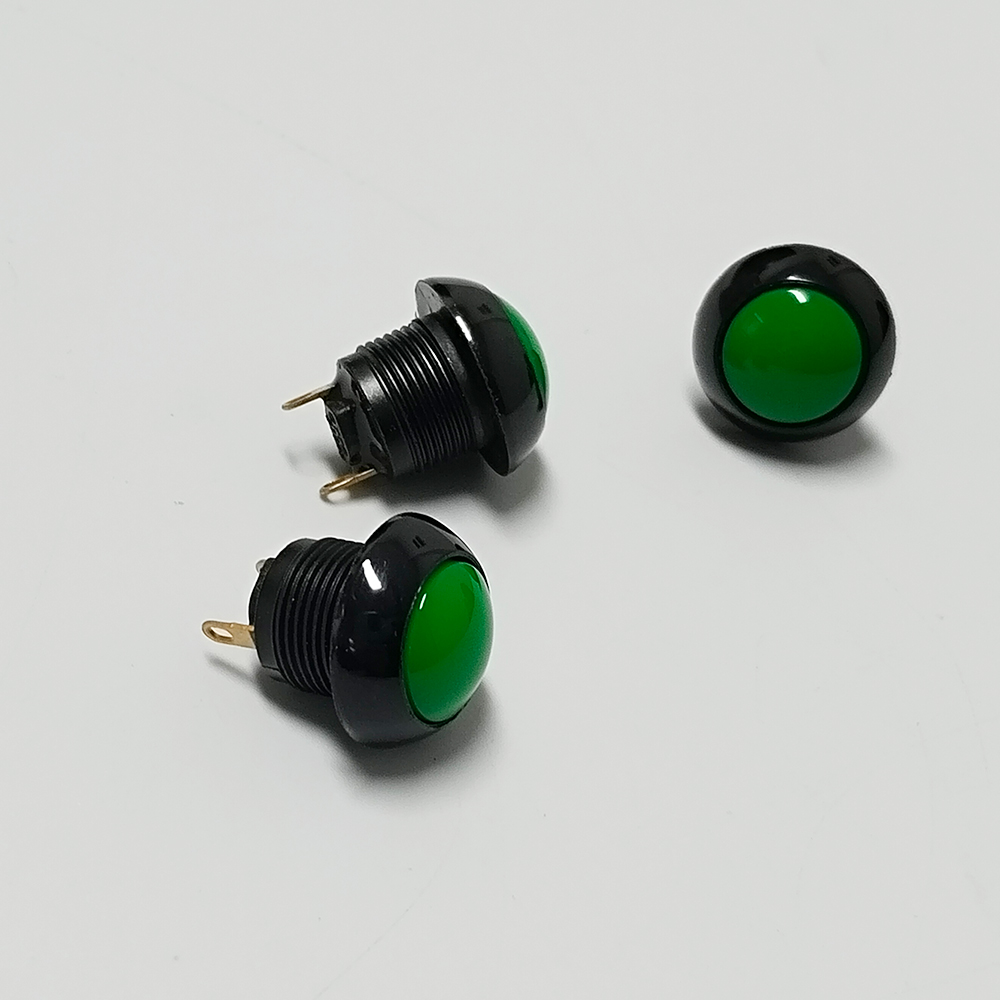
In industrial automation, electrical control systems, and various electronic devices, switches serve as the most fundamental human-machine interface components. The choice of housing material directly impacts product performance, service life, and applicability to specific operational environments. Metal-housed switches and plastic-housed switches each possess distinct advantages and limitations, necessitating a systematic evaluation across multiple dimensions during the selection process.
I. Environmental Adaptability and Ingress Protection Ratings
Metal-housed switches are typically fabricated from aluminum alloys, stainless steel, or zinc alloy die-castings, offering inherent electromagnetic shielding properties that effectively mitigate external electromagnetic interference. These switches demonstrate superior performance in harsh industrial environments characterized by high humidity, heavy particulate contamination, or corrosive atmospheres. The intrinsic mechanical robustness of metallic materials enables them to withstand accidental mechanical impact and compression, with ingress protection ratings commonly achieving IP65 or even IP67 and above. Consequently, they are well-suited for outdoor equipment, heavy industrial machinery, marine electrical systems, and similar demanding applications.
Plastic-housed switches predominantly employ engineering plastics such as ABS, PC (polycarbonate), PA (nylon), or PBT. While contemporary high-performance plastics, reinforced with glass fiber additives, have achieved substantial improvements in mechanical strength, they remain susceptible to aging and embrittlement under extreme thermal cycling or prolonged ultraviolet radiation exposure. The principal advantage of plastic housings lies in their exceptional dielectric properties, providing inherent electrical isolation. In humid environments, plastic surfaces do not present leakage current risks arising from condensation, rendering them particularly appropriate for consumer appliances, medical apparatus, and laboratory instrumentation where insulation integrity is paramount.
II. Electrical Performance and Thermal Dissipation Characteristics
The electrical conductivity of metal housings presents both advantages and potential hazards. On the positive side, metal enclosures can function as grounding terminals, facilitating rapid diversion of fault currents to earth in the event of internal short circuits, thereby enhancing operational safety. Conversely, inadequate insulation treatment or improper wiring may render the metal housing itself electrically energized, increasing the risk of electric shock. The thermal conductivity of metallic materials substantially exceeds that of plastics, enabling more efficient dissipation of heat generated at switch contacts under high-load conditions. This thermal management capability reduces operating temperature rise and extends contact life, which is particularly critical for high-current industrial switching applications.
Plastic housings exhibit widespread applicability in low-voltage control circuits due to their insulating properties. However, under high-current operating conditions, the limited thermal dissipation capacity of plastics can result in enclosure deformation or material degradation following prolonged elevated temperature operation. Therefore, the rated current specifications for plastic-housed switches are generally lower than those of equivalently dimensioned metal-housed counterparts, necessitating careful attention to derating factors during selection.
III. Mechanical Strength and Durability
Metal housings demonstrate significantly superior impact resistance and wear durability compared to plastic alternatives. In industrial environments subject to frequent manipulation, metal switches can endure tool collisions, vibration, and accidental drops without sustaining damage, while maintaining their surface appearance over extended service periods. The anti-strip characteristics of metal threaded inserts also surpass those of plastic self-tapping threads, delivering higher reliability in applications requiring repeated panel removal and reinstallation.
Although plastic housings exhibit relatively lower impact resistance, they offer excellent elasticity and resilience, enabling greater design flexibility for snap-fit installation configurations that facilitate tool-free rapid mounting. Furthermore, plastic materials do not generate sparks upon impact, possessing intrinsic safety advantages in explosive or flammable environments—a characteristic that metal housings cannot replicate.
IV. Cost and Manufacturing Economics
From raw material cost perspectives, engineering plastics are generally less expensive than aluminum alloys and stainless steel. Plastic injection molding represents a mature manufacturing process with high production efficiency, well-suited for large-volume standardized production, yielding significant unit cost advantages. Metal housings, conversely, require multiple processing stages including die-casting, CNC machining, and surface treatment, resulting in extended manufacturing cycles, substantial material waste, and costs typically exceeding those of equivalent plastic housings by 30% to 100%.
However, for low-volume, customized requirements, metal housings offer greater manufacturing flexibility. Simple mechanical modifications such as drilling, tapping, and other personalized alterations can be readily implemented, whereas plastic housings incur prohibitively high modification costs once tooling is finalized. In premium equipment applications or contexts where product quality perception is critical, the tactile weight and aesthetic appeal of metal housings can enhance overall product positioning, with this premium often accepted by the marketplace.
V. Weight and Installation Convenience
The density of metal housings substantially exceeds that of plastics, making plastic enclosures the more rational choice for weight-sensitive applications such as portable equipment, aerospace systems, and rail transportation. Metal switches possess considerable self-weight, necessitating more robust fastening measures for vertical mounting or vibration-prone environments, with correspondingly strengthened load-bearing requirements for panel cutouts. The lightweight characteristics of plastic switches render them more suitable for consumer electronics, handheld devices, and mobile machinery control panels.
VI. Integrated Selection Decision Framework
Practical selection should establish a multi-dimensional evaluation matrix: first defining the environmental conditions of the application (temperature range, humidity, corrosive agents, explosion protection requirements); subsequently determining electrical parameters (rated voltage, current, insulation class); then assessing mechanical requirements (operating frequency, shock and vibration levels); and finally incorporating cost constraints and production volume considerations.
Generally, heavy industrial machinery, outdoor electrical installations, high-current industrial controls, and electromagnetically sensitive environments should prioritize metal housings. Consumer electronics, medical equipment, explosive atmospheres, lightweight devices, and cost-sensitive products are more appropriately served by plastic housings. When both alternatives satisfy fundamental technical requirements, sample-based comparative testing of operational feel, installation convenience, and long-term reliability is recommended to determine the optimal solution.